
Trainer School: learn to lead the Life Capital simulation.
For people who have taken part in a session and want to lead one. The path has four steps: a 7-hour starting training; five weekly online practice sessions of 1.5 hours; 12 supervised sessions at a real table, three in each of four roles; and, if you want the certificate, an online exam. You get the forms, printed materials and video tutorials a table runs on, and you learn to keep the session moving, handle the emotions a tense round stirs up at the table, help participants see how they decide under pressure, and facilitate the whole session, from the briefing to the last minute of the debrief: nobody can say at which move a participant’s insight will come.
Before you apply: play at least one full 5-hour Life Capital session.
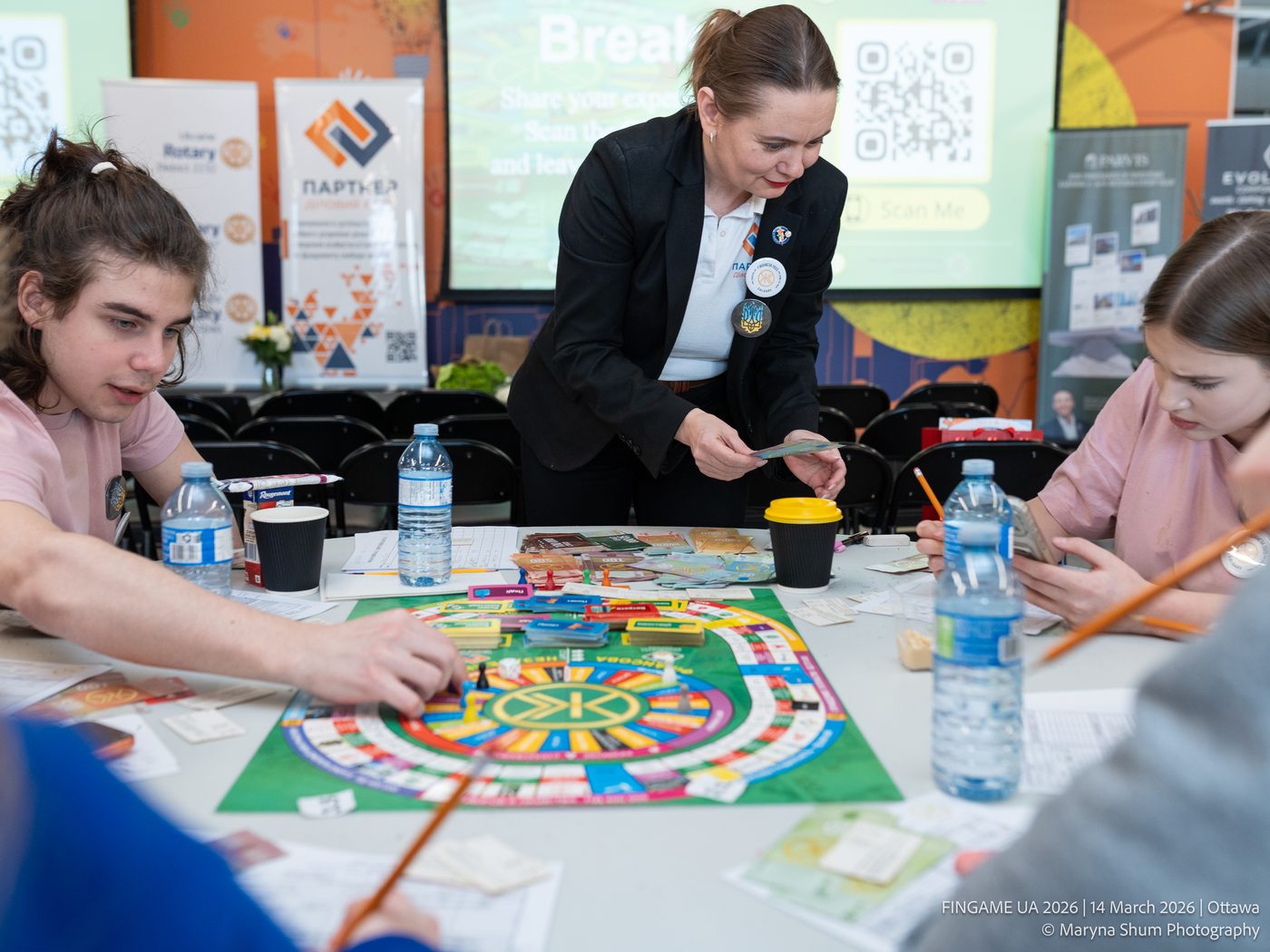
Four Roles, Three Sessions Each
Certification runs through 12 full sessions at a real table: three as a player, three as an observer, three as Assistant Trainer and three leading the table.
Play It from the Player’s Chair
Play three complete sessions with different starting professions, budgets and life events, so you know from the inside what a loan refusal, a cash shortage or a broken deal feels like at the table.
- Making decisions against the clock
- Trying different ways of building assets and using credit
- Noticing how the Trainer’s moves land from the player’s side
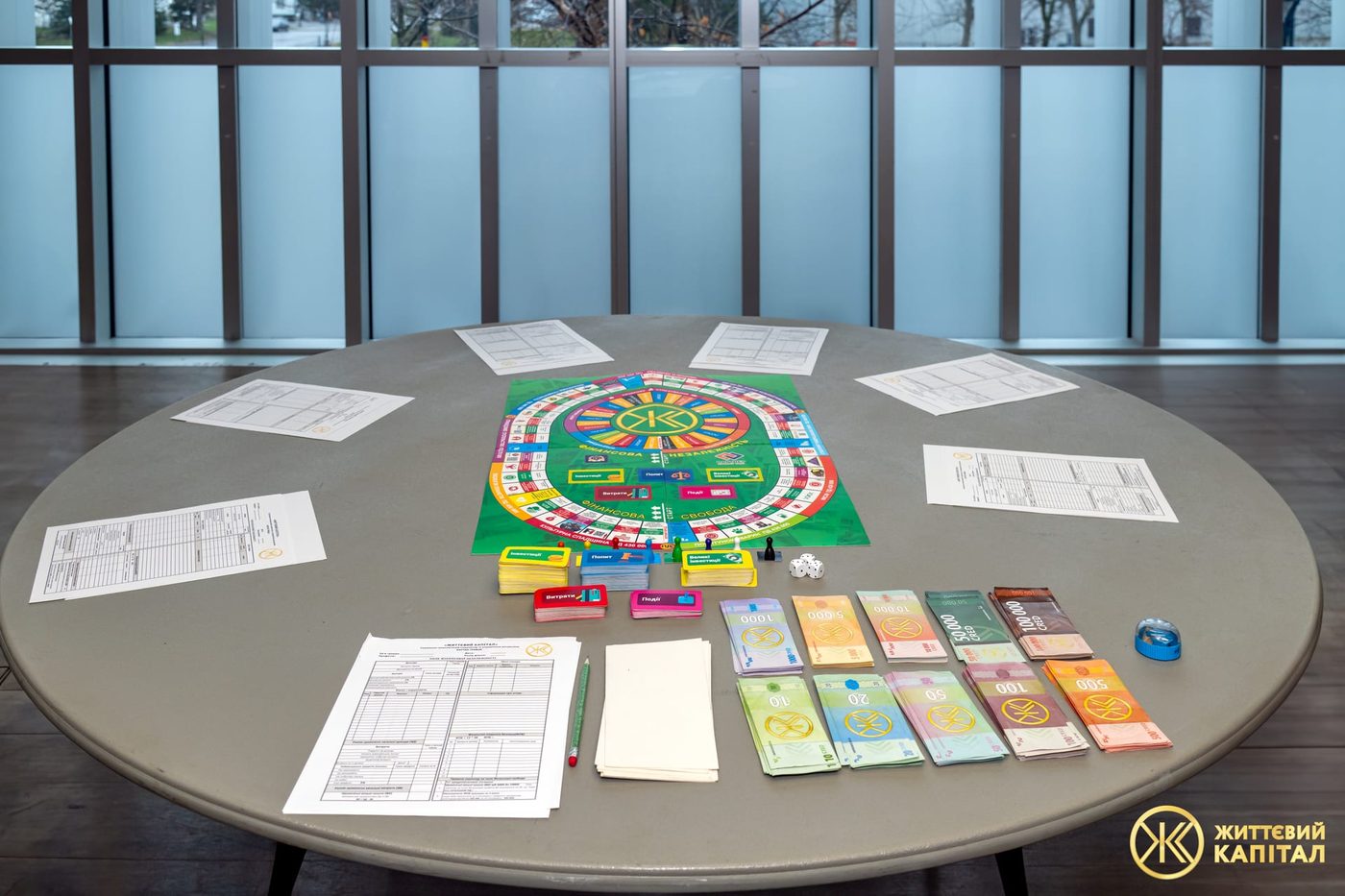
Watch the Table and Take Notes
Sit beside the table without playing and write down what happens: who proposes deals, who agrees, where the table gets stuck, and which decisions players later want to talk about.
- Noting deals, refusals and turning points round by round
- Noting where players’ plans and their ledgers part ways
- Bringing those notes to the debrief
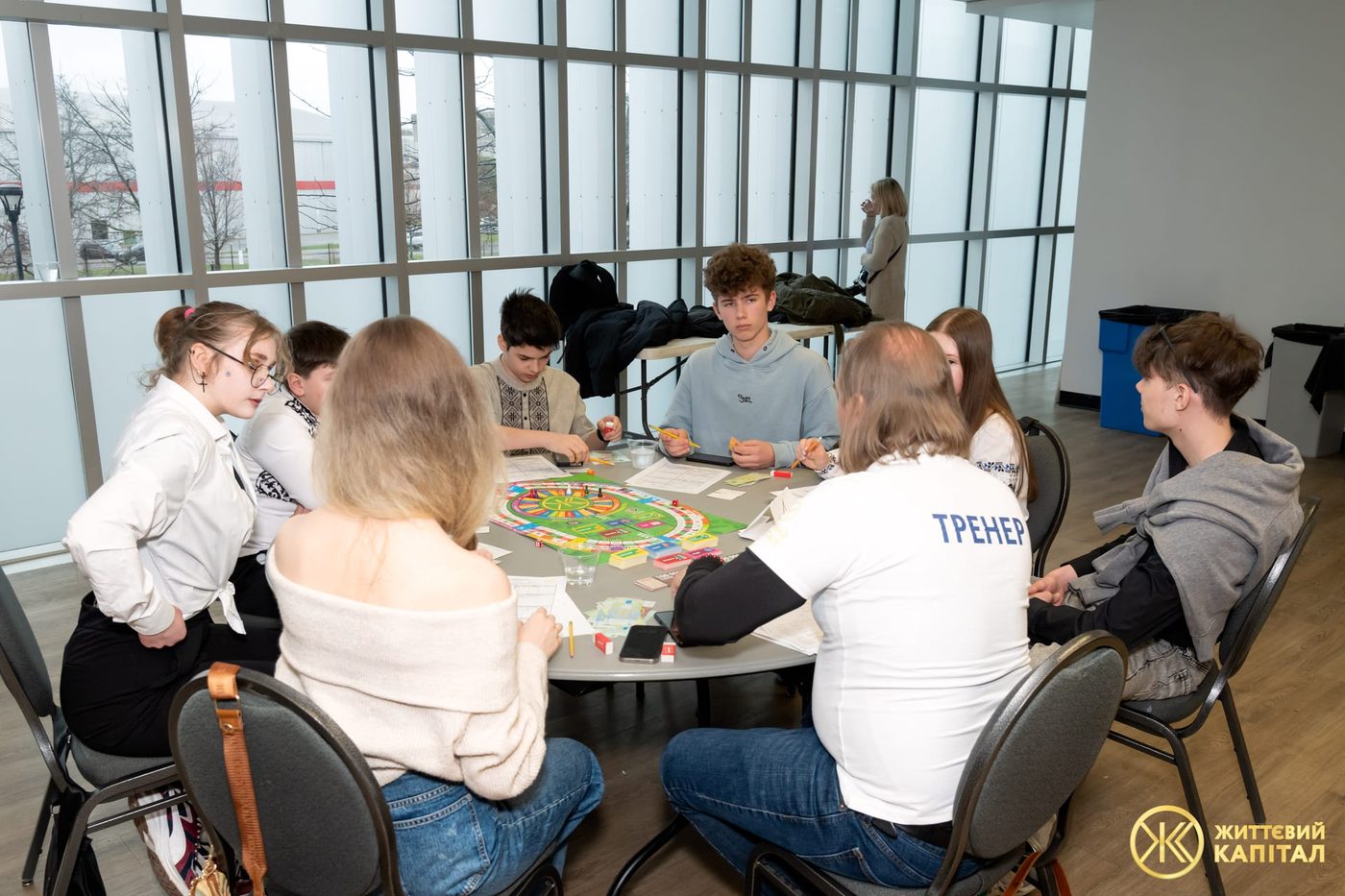
Keeping the Table Running
Work beside the Trainer and run the bank: pay out and collect the money, and serve loans and interest under the game’s rules, so the Trainer can watch the people. Players write every move into their own ledgers themselves.
- Running the bank: paying out and collecting play money
- Loans, interest and the bank’s rules
- Taking over parts of the session from the Trainer

Running the Whole Table
Run a full 5-hour table under the supervision of an experienced certified Trainer, and facilitate the whole session, from the 30-minute opening briefing to the last minute of the closing debrief.
- Keeping the session moving and handling tension at the table
- Leading the 30-minute debrief
- The supervisor’s assessment before certification
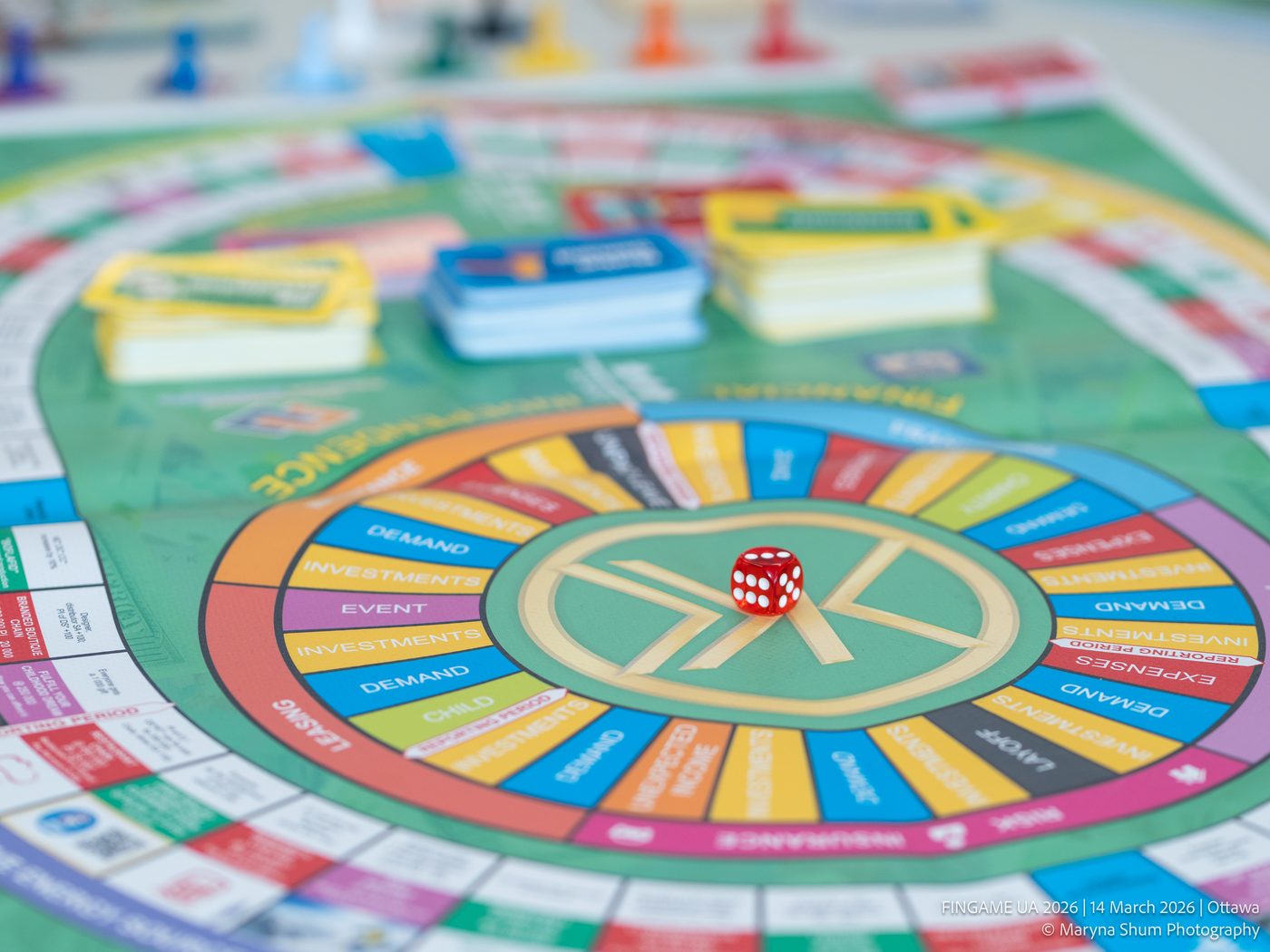
The People Who Run the Tables
Trainers and prepared teachers lead the school clubs in Ukraine, and certified Trainers ran the tables at the tournaments in Kyiv, Frankfurt and Ottawa. Photographs from the Ottawa 2026 stage: © Maryna Shum Photography.

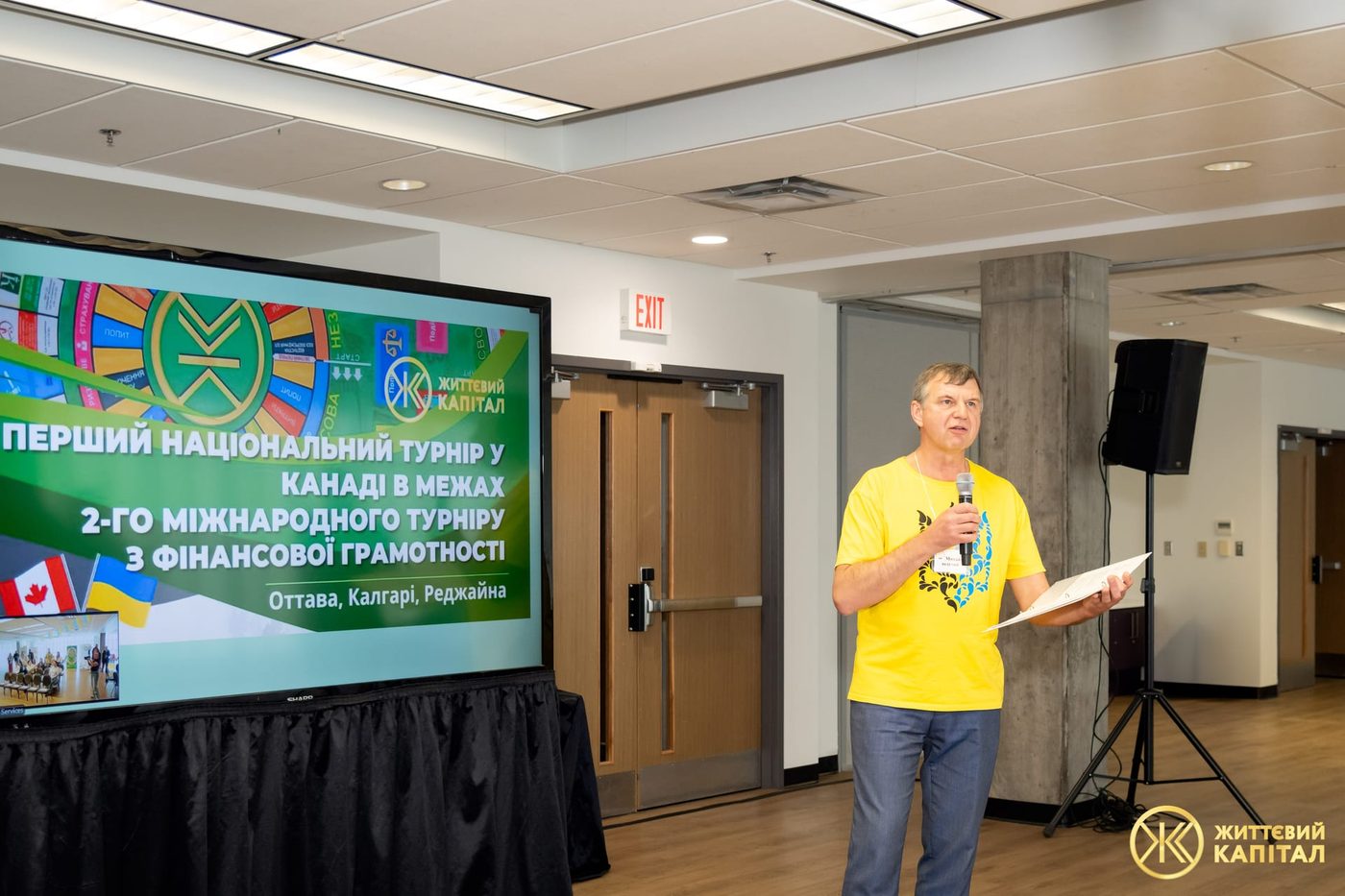
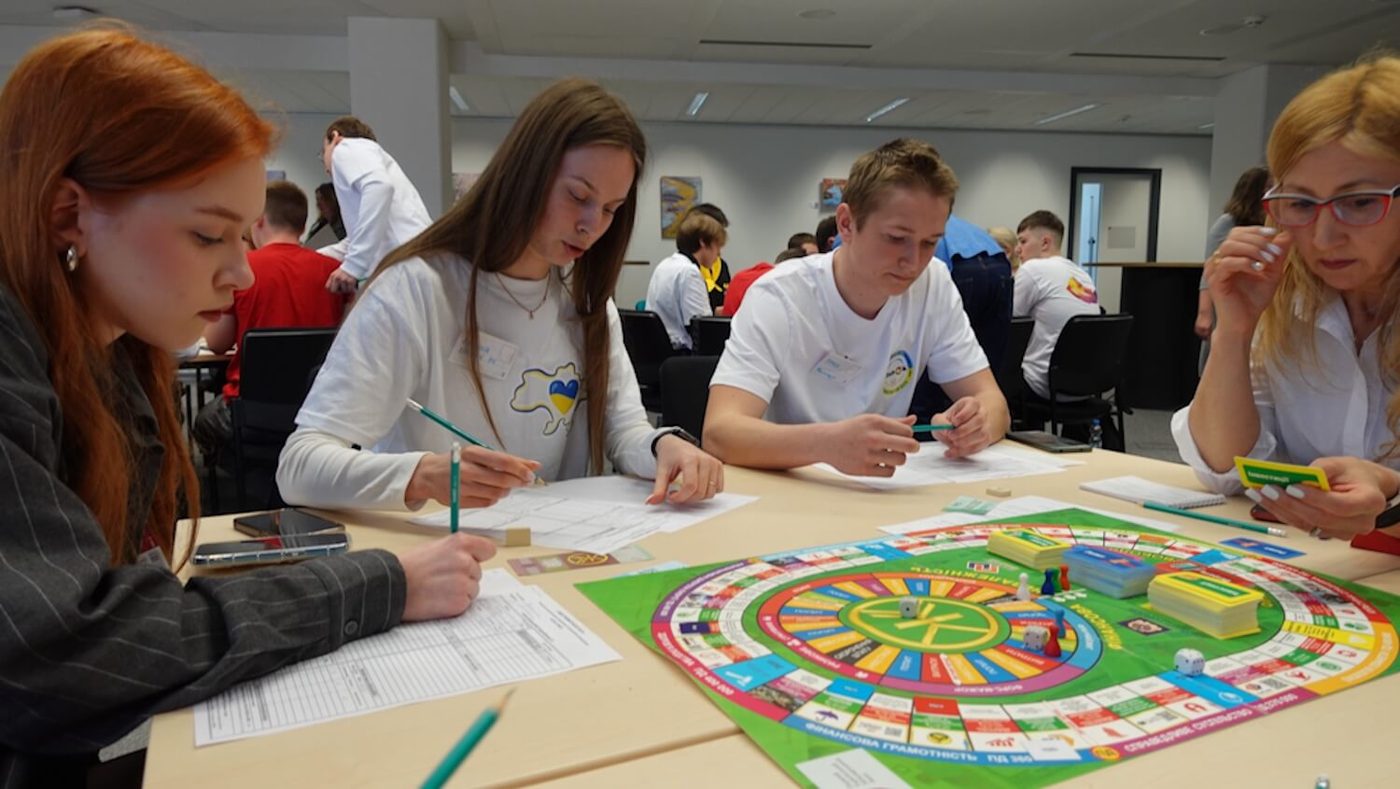
After the course Trainers keep a closed group, video tutorials, printed materials and forms.
Trainer Candidate FAQ
Who is eligible to join the Trainer School?
Anyone who has taken part in at least one full session. Experience in education, psychology or finance helps; the course does not require it.
What does a Trainer do for the participants?
The simulation shows how people think, decide and react under pressure. The Trainer helps participants find limiting beliefs, recognise behaviour patterns, understand their decision habits, see the real cost of a mistake and find room to grow. Every decision is written into the player’s ledger as a number, so the debrief works with concrete figures.
What does a certified Trainer receive upon graduation?
The certificate, and continued access to the closed Trainer group, video tutorials, printed materials and forms.
In what language is the course taught?
Ukrainian: the program and the Trainer materials are in Ukrainian. Sessions for players run in English and Ukrainian.
How is the exam conducted?
Certification is optional. After the practice sessions a candidate repeats the starting training and passes an online exam; the certificate is issued for a fee.
Apply for the Trainer School Cohort
A person reads every application. Name the certified Trainer you first played with: entry to the school runs through that Trainer.
The reply comes from a person at info@lifecapital.ca. If you have not played a 5-hour session yet, we will help you find a seat at a table first.
How we store and use these details: privacy policy.